Computer graphics · Nanjing
Meng Zhang (Zephyr)
I am an Associate Professor at the School of Computer Science and Engineering, Nanjing University of Science and Technology, China. From August 2019 to July 2022, I was a Postdoctoral Researcher with Prof. Niloy Mitra in the Smart Geometry Processing Group, University College London. I received my Ph.D. in 2019 from Zhejiang University, advised by Prof. Kun Zhou, and earned my Bachelor’s (2010) and Master’s (2013) degrees from the School of Telecommunications Engineering, Xidian University.
My research lies in computer graphics, with a recent focus on physics simulation, modeling, rendering, and editing. My work has been published in leading venues in computer graphics, including ACM SIGGRAPH and SIGGRAPH Asia, and I have also served on the SIGGRAPH Asia Technical Papers Committee multiple times. Beyond research, I enjoy reading, traveling, playing badminton, and working on DIY projects.
Our Group
Smart Physics Group
I am building the Smart Physics Group — a place where curiosity meets persistence and creativity. Our vision is to foster a supportive and collaborative academic environment that encourages exploration and growth. Students who join us are expected to stay curious, remain strongly self-motivated, and approach challenges with resilience and courage.
Curiosity, courage, and persistence — the pillars on which innovation stands.
Research
Publications
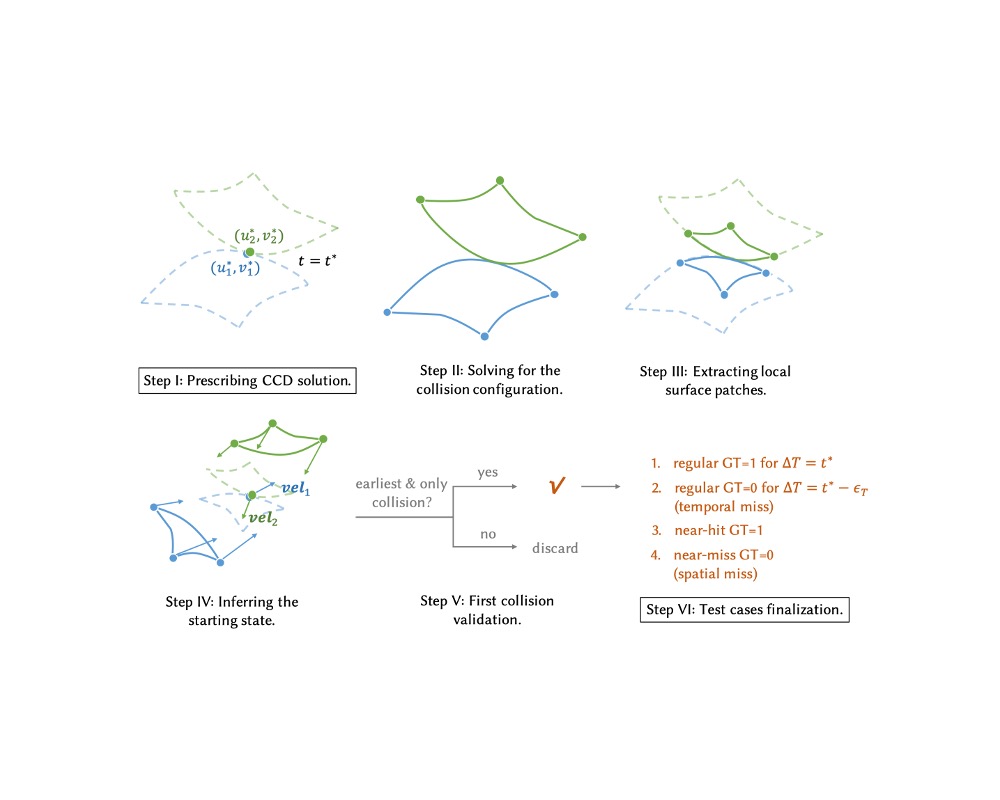
Floating-Point Robustness in Parametric Surface Continuous Collision Detection: From Algorithm to Benchmarking
The first floating-point-robust continuous collision detection framework and exact benchmark for parametric surfaces.
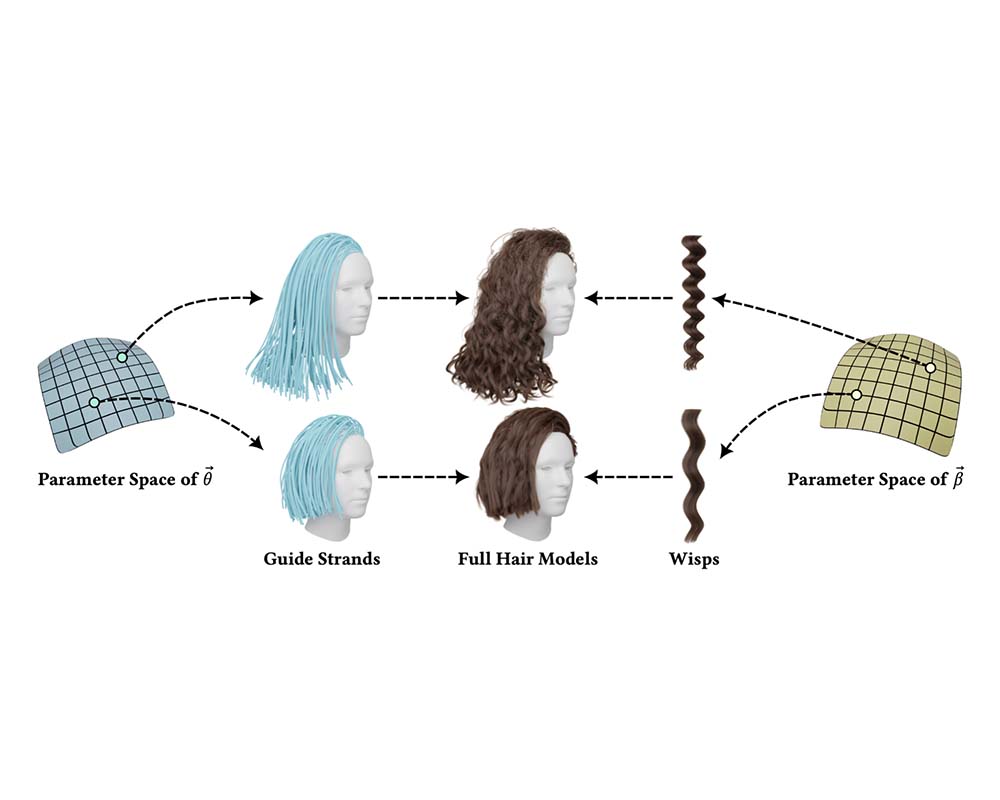
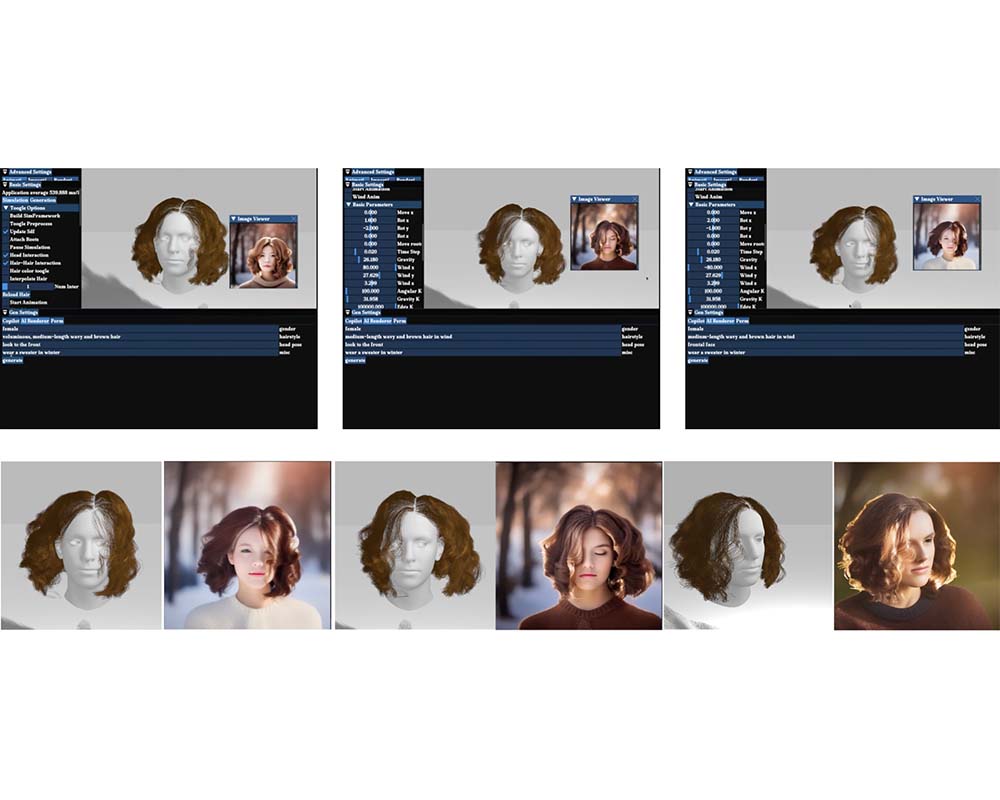
Digital Salon: An AI and Physics-Driven Tool for 3D Hair Grooming and Simulation
An AI- and physics-driven tool that unifies text-based hair creation, interactive editing, simulation, and high-quality rendering.
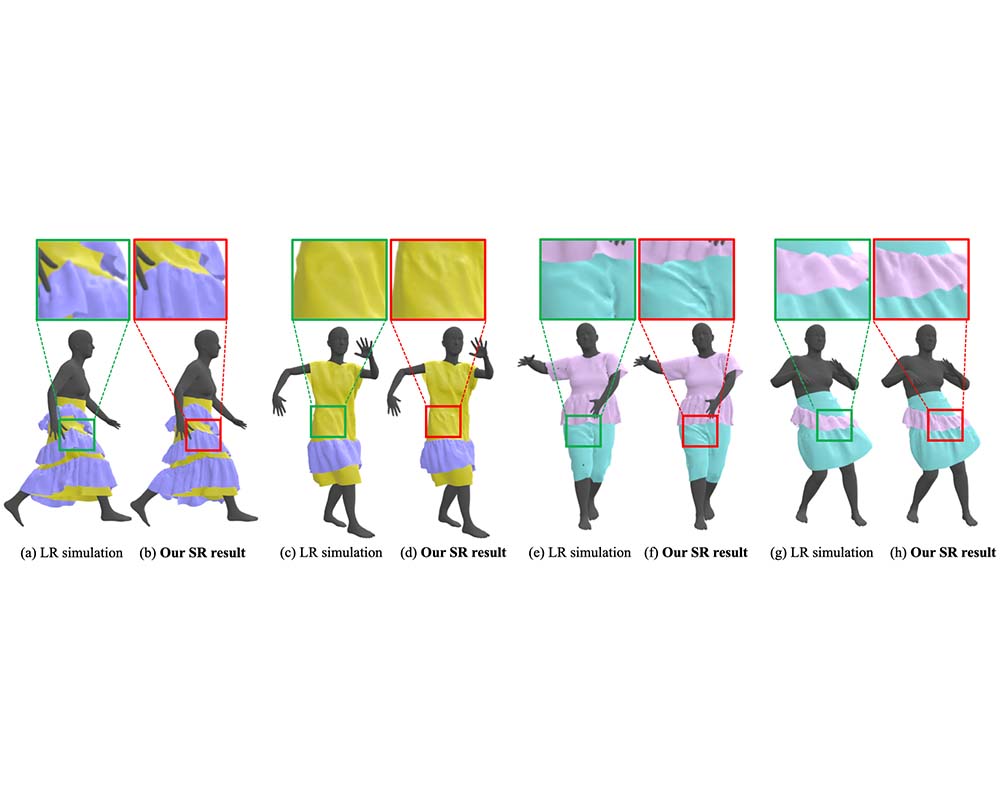
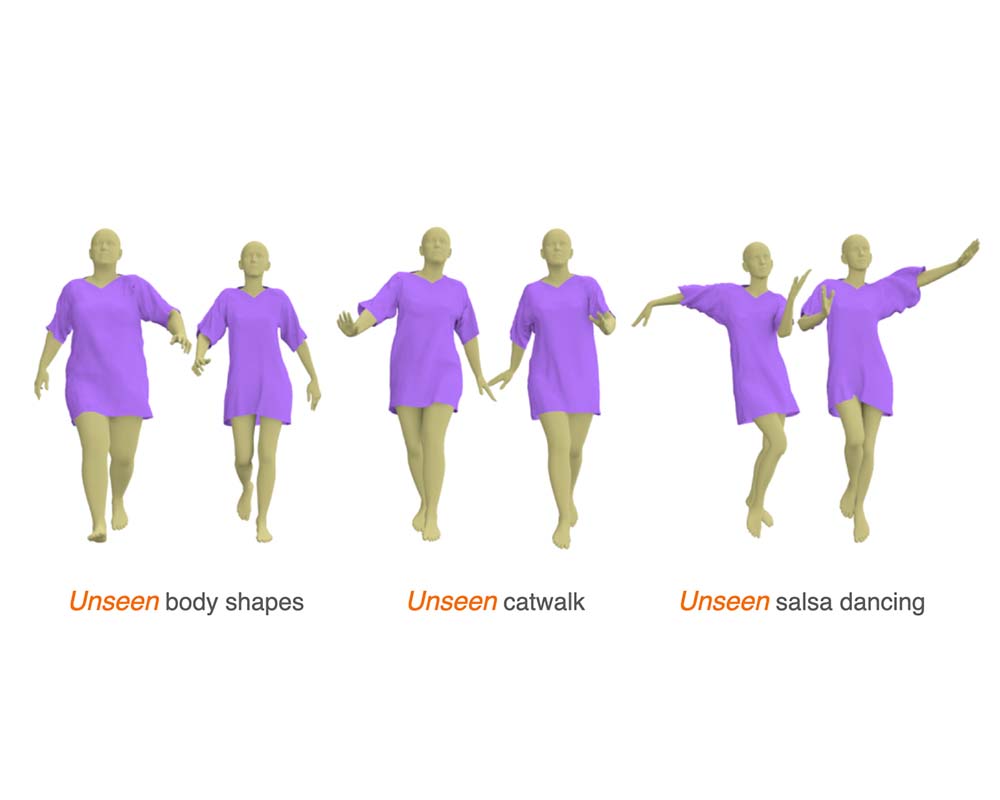
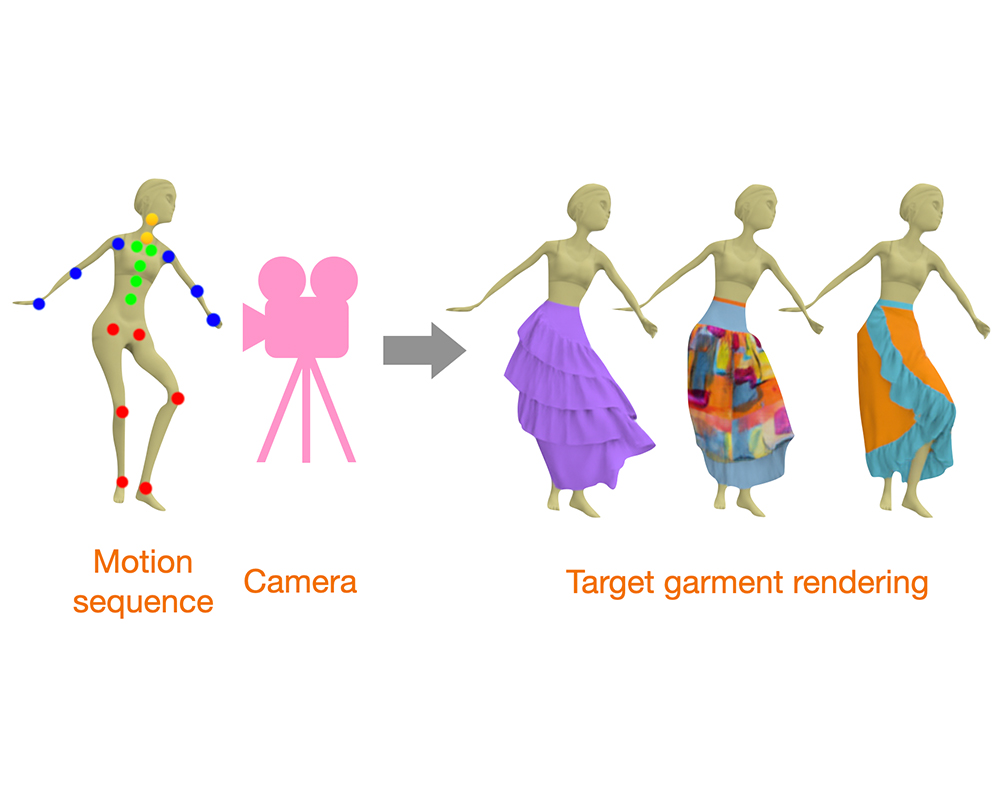
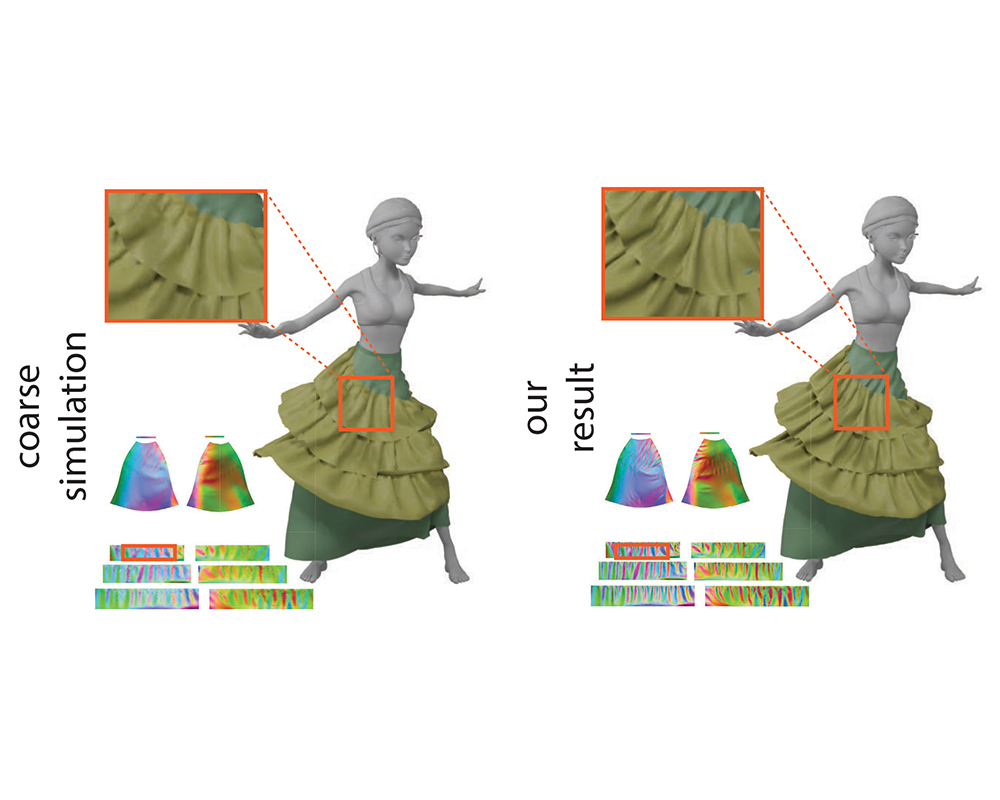
Neural Garment Dynamic Super-Resolution
A lightweight learning method that lifts inexpensive low-resolution garment simulations into detailed, high-resolution dynamics.
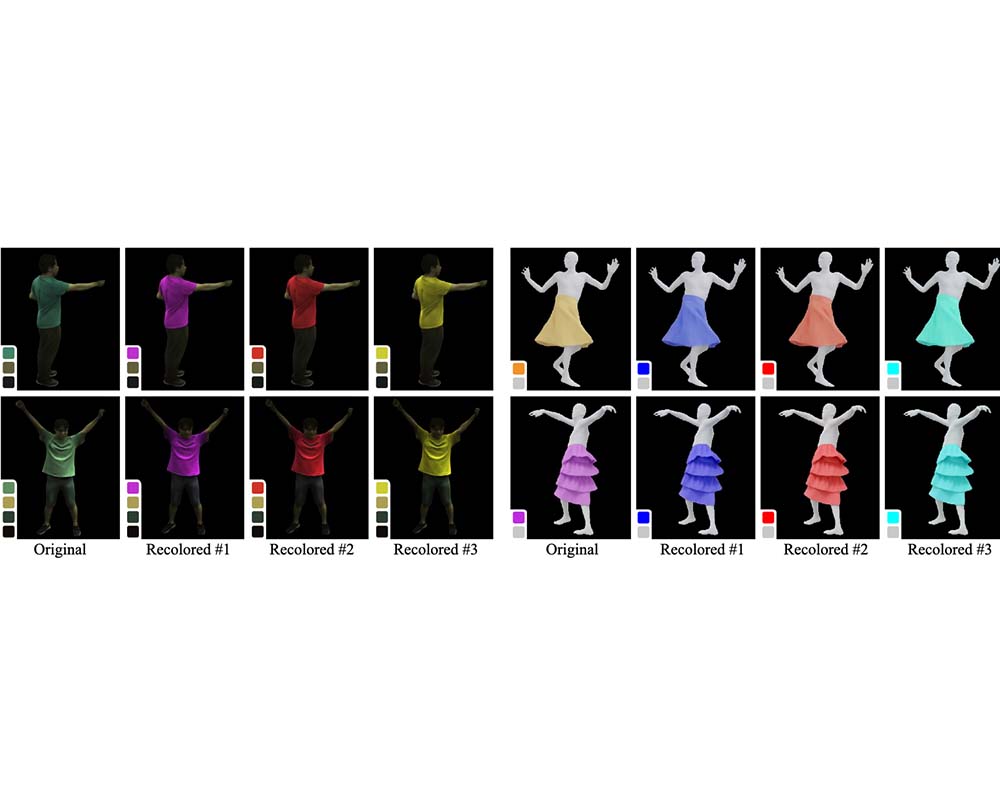
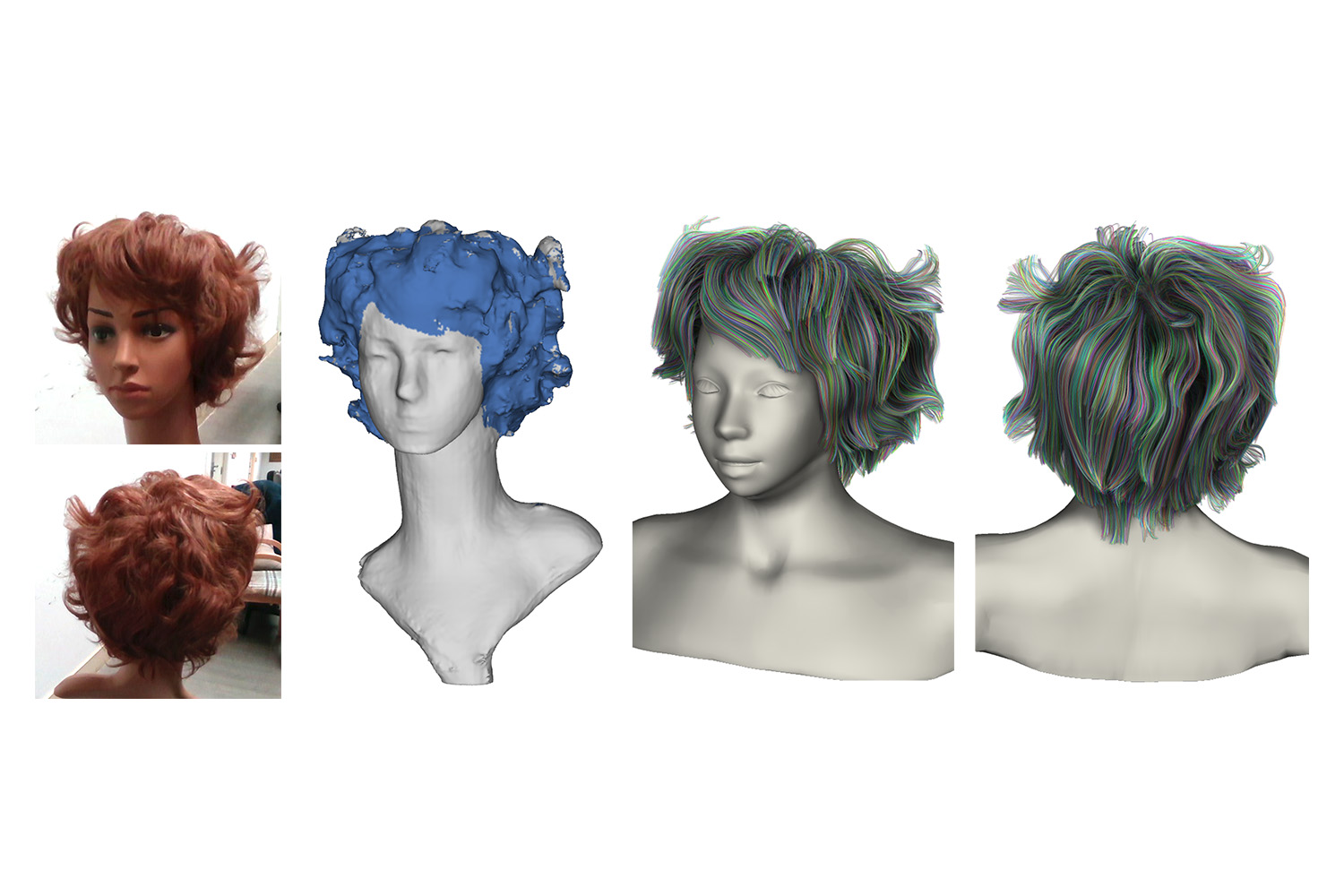
Modeling Hair from an RGB-D Camera
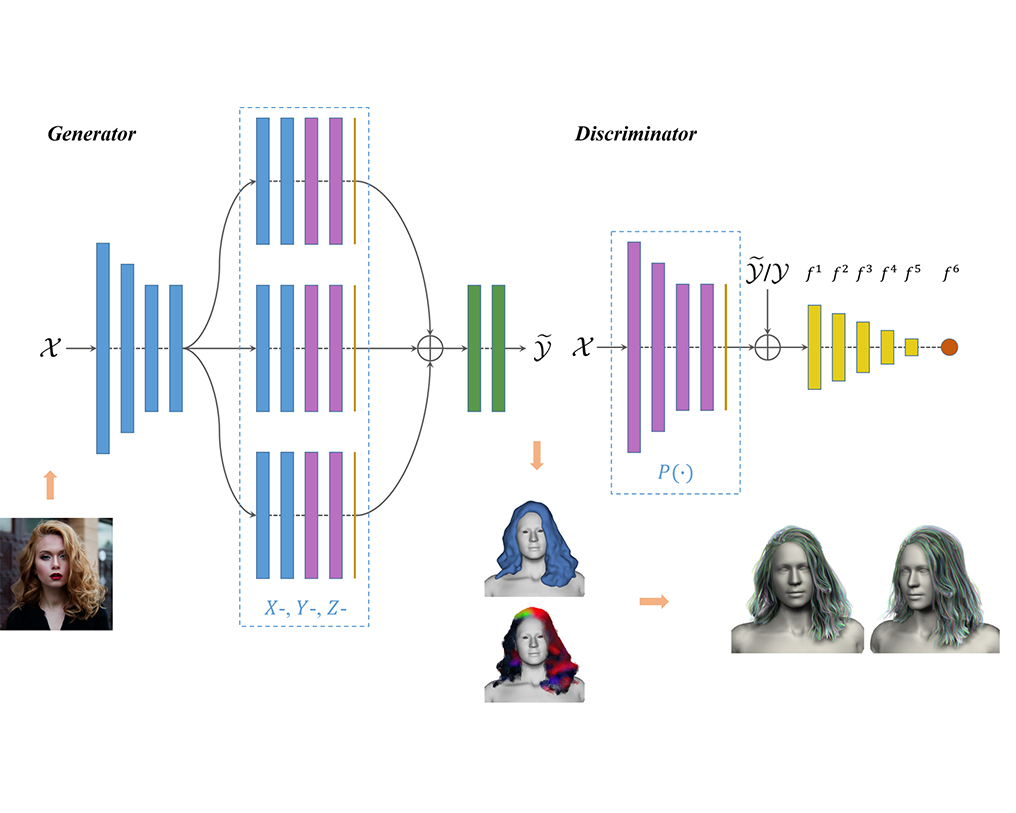
A fully automatic data-driven pipeline for reconstructing complete strand-level hair models from a single RGB-D camera.
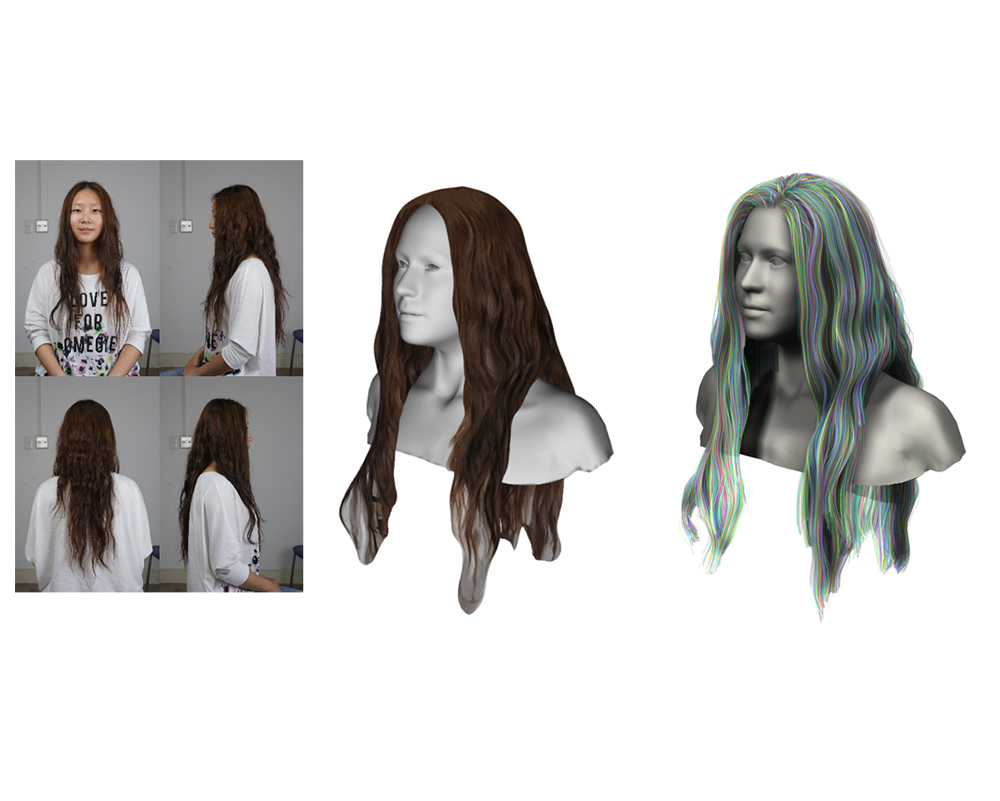
A Data-driven Approach to Four-view Image-based Hair Modeling
A four-view image-based method that reconstructs convincing strand-level 3D hair without requiring all views to show the same hairstyle.
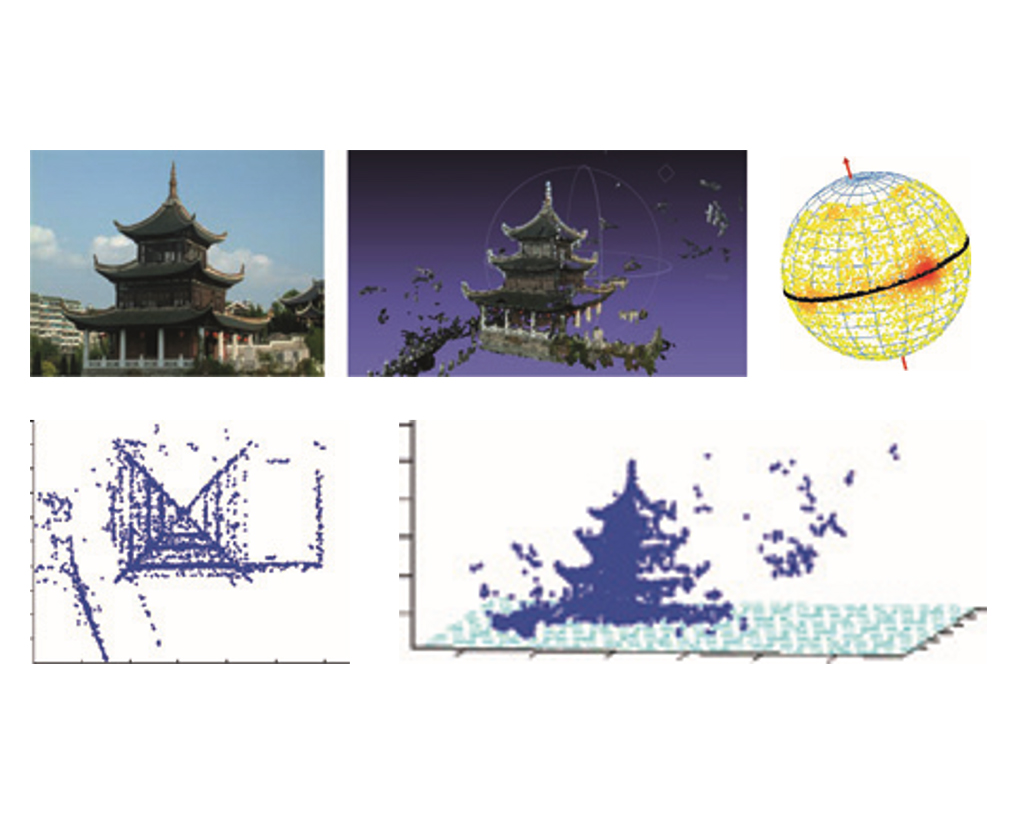
Horizontal Plane Detection from 3D Point Clouds of Buildings
A simple and robust method for directly extracting a horizontal plane from architectural 3D point clouds.
Let’s make something move